
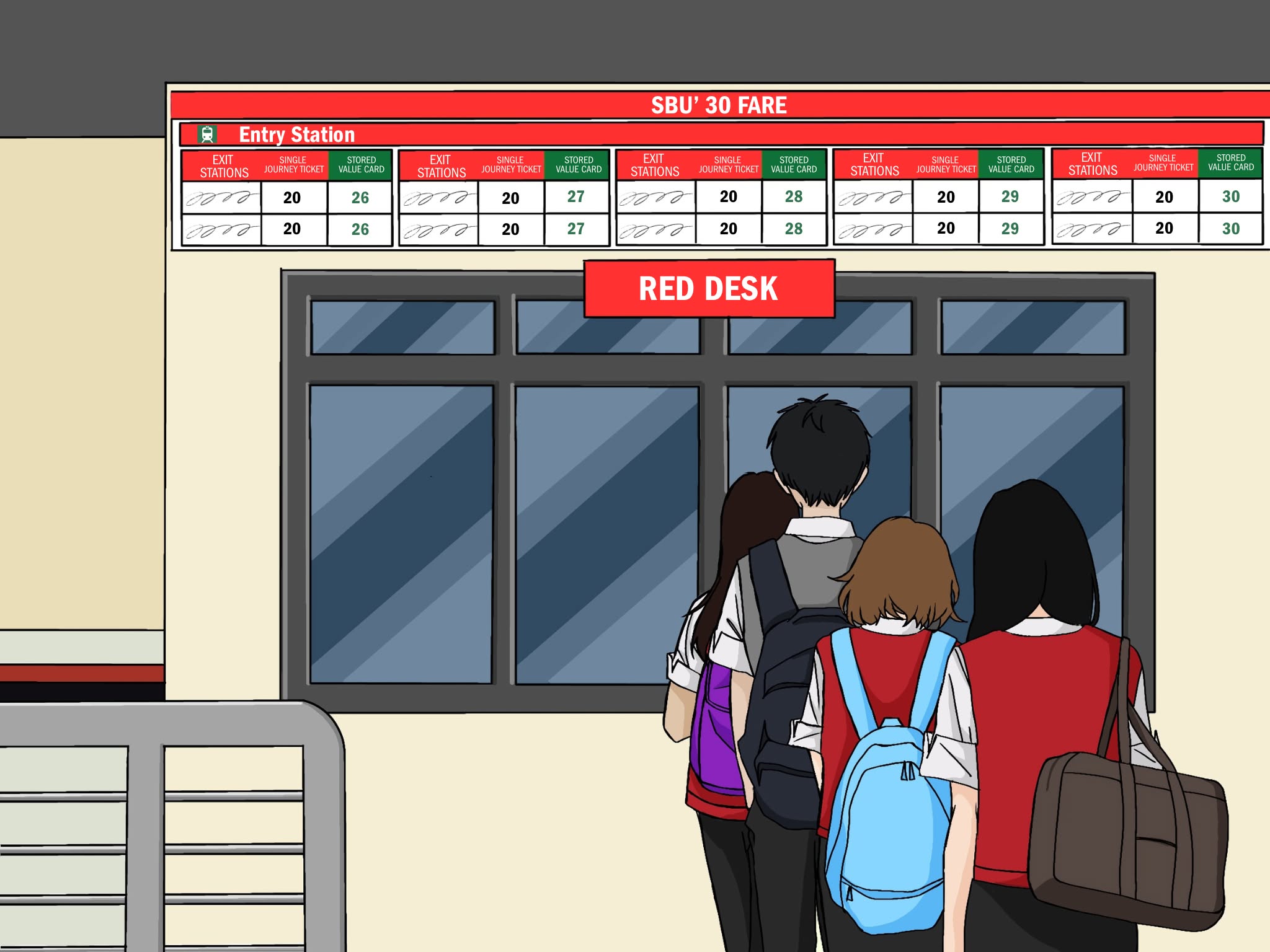
ENTERING THE SILVER gate for the first time bears a feeling that every freshman can relate to, yet at the same time, these people carry stories that are different from one another. The red ticket booth run by the upperclassmen hopes to bring the first-years together and guide them through the intricacies of college life.
Every upperclassman who now walks the campus with ease once carried that same uncertainty. They once searched for offices they had never seen, introduced themselves to strangers who would later become familiar faces, and questioned whether they would ever settle into a place that initially felt overwhelming.
Each academic year welcomes a new generation of Bedans into the Lion’s Den, all arriving with different stories waiting to unfold. Some come from neighboring cities, while others leave provinces they have called home their entire lives. They bring dreams, expectations, and questions that cannot be answered by an orientation program or a campus map alone.
Learning the way
Before worrying about quizzes or deadlines, most freshmen face a much simpler challenge: figuring out where everything is. Whether it’s looking for the registrar, locating the library, or finding the right classroom before the class starts, learning the campus takes time.
Even students who eventually become comfortable walking its hallways remember spending their first weeks asking for directions more often than they would like to admit. Maiden Valoria, a third-year student from the Department of Psychology, was one of them. “Halos mawala-wala pa ako sa mga hallways during that time,” she recalled.
For Maiden, however, navigating the campus was only part of the adjustment. Coming from the rural plains of the province, she worried that leaving home also meant leaving behind the sense of familiarity, saying, “I felt like I was out of place.”
As classmates shared where they came from, Maiden realized she was not the only one adjusting to life away from home. “Nagugulat ako kasi… ang dami pala saamin galing sa province.” That realization eased some of the uncertainty she had been carrying. “I felt kind of comforted na hindi ako nag-iisa,” she added.
The people who make the place
The thought of discovering the spot, the group, or the shelter that will shield the university life one has envisioned can actually be seen by the naked eye. For most upperclassmen, what made San Beda feel less intimidating was not because of the comfort the buildings or a classroom bring—they will mention people.
For Rave Salonga, a second-year Psychology student, that shift happened after joining the College of Arts and Sciences (CAS) Student Council Executive Committee (SCEC). “May mga seniors ako na puwede kong pagtanungan or puwede kong makasama in the long run,” he said.
Senior Jayna Tayag from the Department of Legal Management likewise found community in unexpected ways. “San Beda would be a very tight-knit community,” she said, encouraging freshmen to choose their friends wisely, take risks, and go outside their comfort zone. “Live your life to the fullest and ‘wag lang acads nang acads,” she added.
Their experiences point to the same lesson: adjusting to university life isn’t something students have to do alone. The people freshmen meet—classmates, friends, and upperclassmen—often become the support system that helps them navigate college life, making the campus less unfamiliar with every passing day.
Growing beyond the grades
For Maiden, she realized that there’s more to college than the numbers reflected on the portal. “Nag-focus ako masyado sa grades na hindi ko na siya nae-enjoy, hindi ko nae-enjoy ‘yung process ng learning,” she admitted.
Looking back, she encourages freshmen not to let grades define them. “Don’t focus too much on achieving a certain grade kasi grades doesn’t define you naman.” Instead, she found the greatest value in learning from her professors: “The most fun part in learning is listening to your instructors.”
Rave shares a similar perspective. According to him, one of the biggest adjustments freshmen have to make is managing heavier workloads. “It’s very normal lang naman minsan may maraming workloads,” he said. Rather than trying to do everything at once, he encourages students to stay organized, keep track of deadlines, and ask for help when needed.
For Jayna, the bigger challenge is not academic but the pressure to fit in. She believes freshmen should spend less time worrying about where they belong and more time discovering themselves.”Magki-click lang kayo kapag nagkatugma na kayo ng interests.” Whether through organizations, class participation, or new experiences, finding your own path takes time—and that is perfectly normal.
The year you’ll look back on
Ask any upperclassman about their freshman year, and chances are they won’t start by talking about grades. They’ll remember the first friend they made, the organization they almost didn’t join, or the conversations that lasted long after class ended.
For Rave, that’s why freshmen shouldn’t worry about doing college “the right way.” “Enjoy lang their first year. Kasi isang year lang naman ‘yun,” he said, reminding students that unexpected experiences—both exciting and challenging—are part of the journey.
He also encourages freshmen to approach their seniors whenever they need guidance. “Tayong mga seniors nila, puwede naman nila tayong malapitan if they have something to ask, and we’re very welcoming naman.”
Jayna echoes that advice, encouraging freshmen to explore beyond the classroom. “College is the part na you have to try everything, you have to experience everything,” she added.
To the cubs entering the den, by the end of freshman year, the campus will look much the same—but you won’t. The hallways that once felt confusing become familiar, classmates become friends, and routines slowly replace first-day uncertainty. Just like what the friendly ticket-booth of the upperclassmen has shared, adjusting to San Beda doesn’t happen overnight, and that’s perfectly normal.